
Expert Picks For Effective Chip Seal Road Repair Equipment
Find out which tools and materials are favored by industry professionals for efficient and high-quality chip seal road repairs.
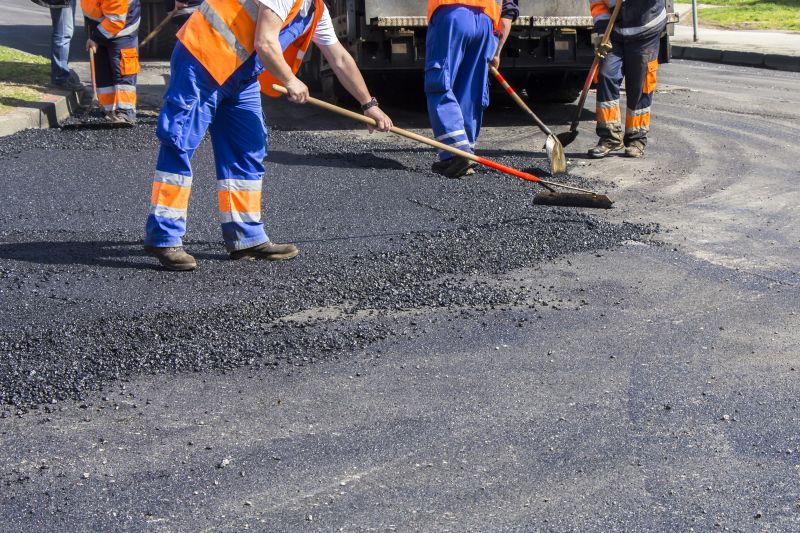 Maintaining and repairing roads that utilize chip seal surfaces requires specialized products designed to address the unique challenges of this paving method. Chip seal roads, characterized by a layer of asphalt covered with loose aggregate, demand materials that can effectively bind the aggregate, fill cracks, and restore the surface's integrity. Selecting appropriate repair products is essential for ensuring durability and safety, especially in areas with frequent traffic or exposure to the elements.
Top Overall Option
Flexible Asphalt Repair Compound
A versatile repair compound designed for crack filling and surface patching on chip seal roads. It offers good adhesion, flexibility, and weather resistance, making it suitable for various repair needs. Easy to apply with standard tools, it helps maintain surface integrity and prolongs the lifespan of the pavement.
Types of Products For Chip Seal Road Repairs
Crack Sealant
Used to fill and seal cracks, preventing water infiltration and further deterioration.
Cold Patch Asphalt Mix
A ready-to-use patching material suitable for potholes and larger surface repairs.
Asphalt Emulsion
A liquid binder used for sealing surfaces and enhancing adhesion of repair materials.
Tack Coat
A thin layer of asphalt used to promote bonding between pavement layers or patches.
Surface Sealant
Applied as a top coat to seal the surface and protect against water and debris.
Polymer-Modified Asphalt
Enhanced asphalt formulations offering improved flexibility and durability.
Pothole Repair Kit
Complete kits that include all necessary materials for quick pothole fixes.
Seal Coat Spray
Sprayable sealants designed for quick application over large areas.
Overlay Fabric
Reinforcement material used under surface overlays to improve strength.
Surface Prep Cleaner
Products used to clean and prepare surfaces before applying repair materials.
Popular Choices
A user-friendly gel formula for filling cracks quickly and effectively.
Widely used for pothole repairs, providing a durable patch in various conditions.
Popular for sealing and protecting large surface areas with ease.
Commonly applied for surface sealing and adhesion enhancement.
Chosen for its flexibility and resistance to cracking over time.
Convenient for quick, on-the-spot pothole fixes.
Effective for addressing minor surface cracks before they expand.
Popular for providing a protective layer over chip seal surfaces.
Used to strengthen overlays and prevent reflective cracking.
Essential for preparing surfaces prior to repairs.
Among the various options available, patching compounds and sealants are commonly used to address surface cracks and potholes. These products are formulated to adhere well to the existing asphalt, providing a flexible yet strong bond that accommodates minor movements without cracking. For larger repairs, cold patch mixes are often employed, offering ease of application and quick setting times. Additionally, surface treatments like asphalt emulsions and tack coats are used to prepare surfaces for sealing or to enhance adhesion during repairs.
Proper application of these products involves thorough surface cleaning, crack preparation, and precise application techniques. The choice of product depends on the extent of damage, the type of chip seal surface, and the local climate conditions. Regular maintenance with appropriate repair materials can extend the lifespan of chip seal roads, reduce the need for more extensive repairs, and improve overall road safety for users. It is advisable to consult product specifications and manufacturer guidelines to ensure compatibility and optimal results in each repair scenario.
Key Buying Considerations
- Compatibility with existing chip seal surfaces to ensure proper adhesion.
- Type of repair needed, such as crack filling, pothole patching, or surface sealing.
- Weather conditions during application, as some products perform better in specific climates.
- Ease of application, including whether tools or professional assistance are required.
- Durability and flexibility of the product to accommodate surface movements.
- Drying or curing time to plan repair schedules effectively.
- Cost-effectiveness based on the size of the repair area and longevity of the product.
- Compatibility with other repair materials being used on the project.
- Environmental conditions, such as temperature and humidity, that could influence performance.
- Availability of the product and ease of procurement for ongoing maintenance.
- Manufacturer instructions and recommended application techniques.
- Safety considerations, including proper handling and protective equipment.
- Potential need for primers or surface preparation products prior to application.
- Long-term maintenance requirements to keep the repaired surface in good condition.
- Product shelf life and storage conditions to prevent waste.